Emergency Water Removal and Extraction in Bothell, WA
Stop the Damage Before it Spreads
Stop the Damage Before it Spreads
Acting quickly is crucial to limit further damage and protect your property.
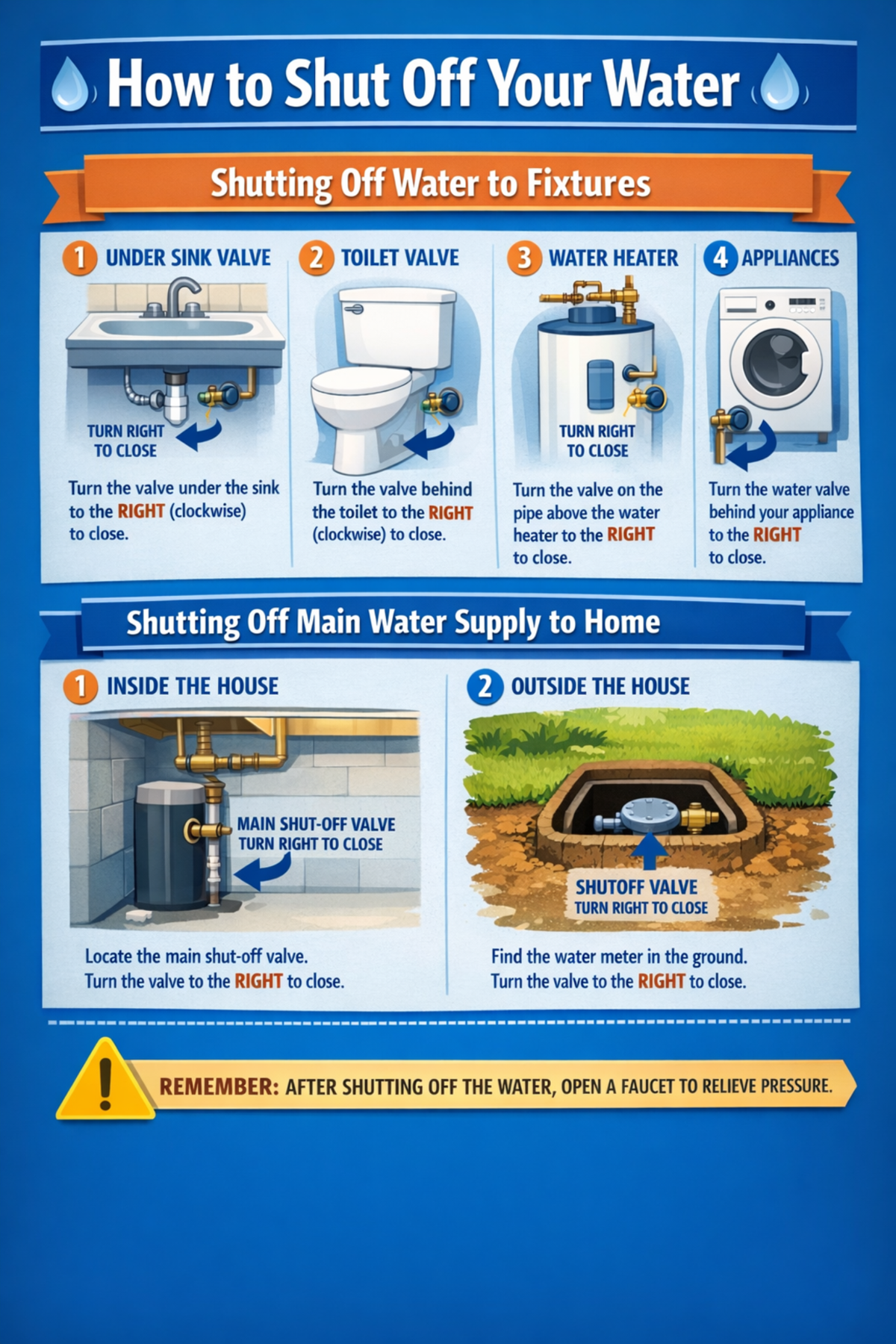
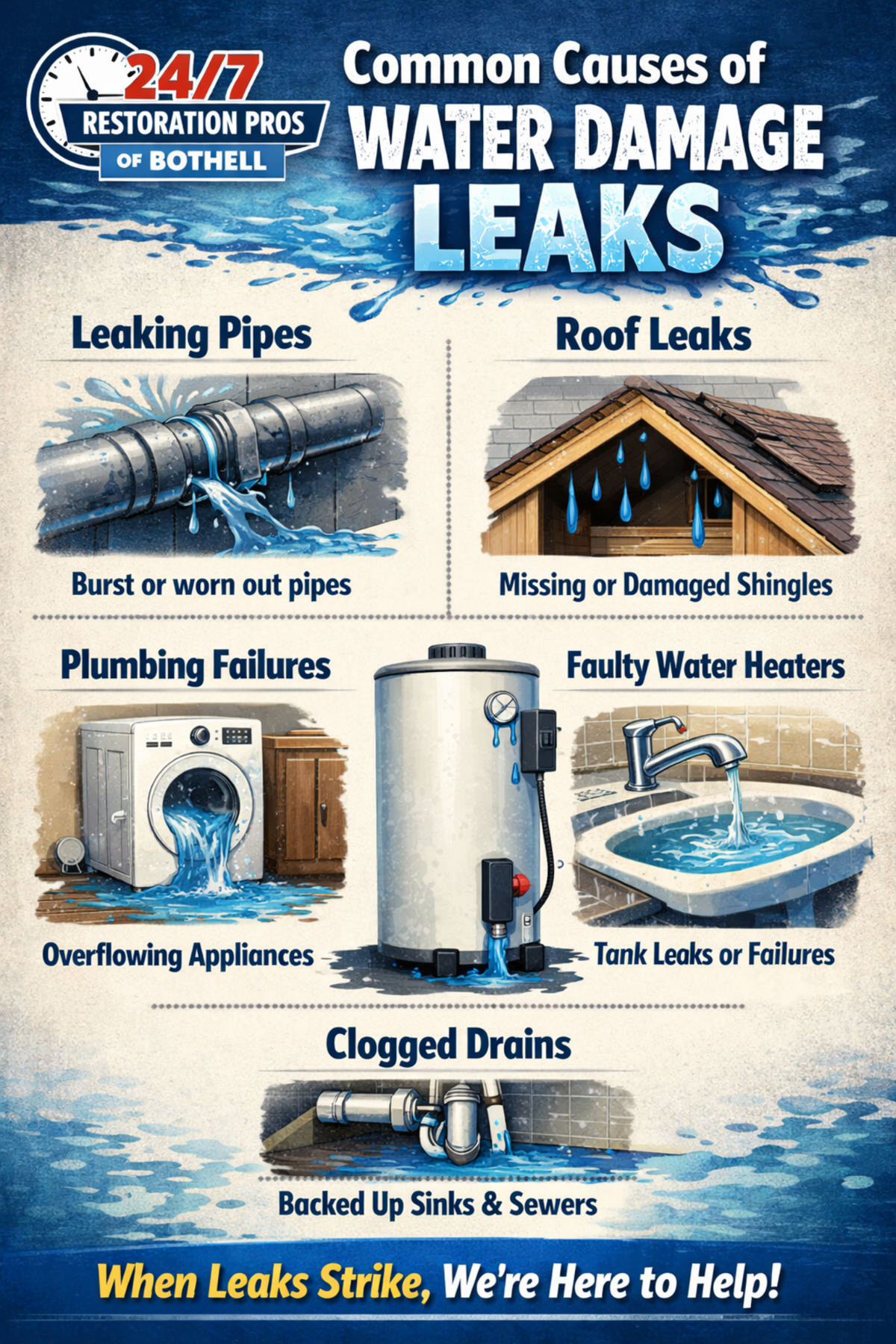
The first step is to shut off the water if possible, followed by immediate water extraction to prevent further structural damage and mold growth. Whether the issue is a plumbing leak, appliance failure, roof leak, or storm-related flooding, homeowners in Bothell and King County can count on 24/7 Restoration Pros to respond quickly and begin the restoration process.
Emergency Water Extraction
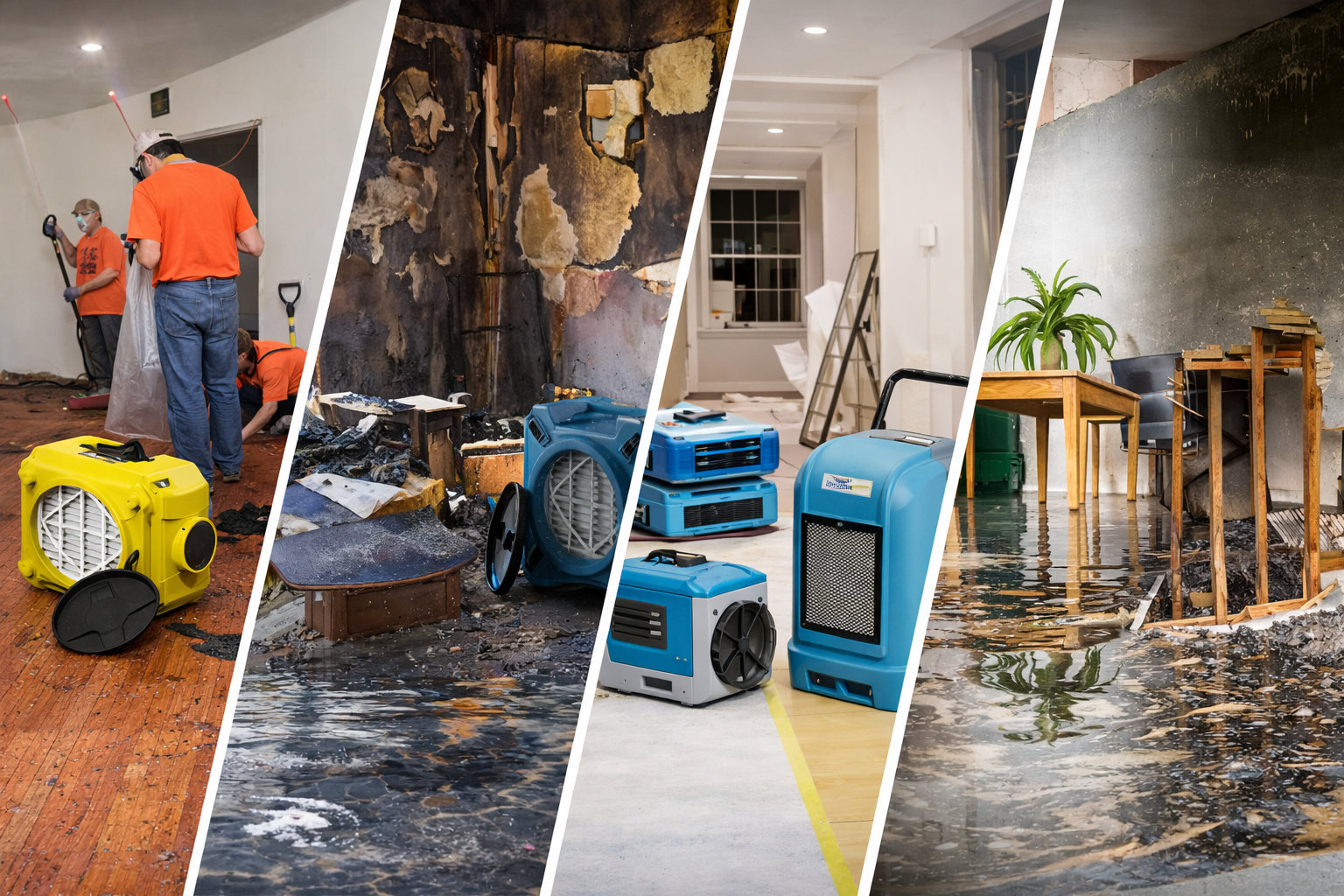
If you have water damage, emergency water extraction is the first step of the restoration process. A well-trained crew with specialized equipment, will ensure an efficient and thorough water extraction, which limits damage and overall repair costs.
Our team uses professional extraction equipment, specialized drying systems, and advanced moisture detection tools to ensure all the ares are dried properly. The following explains our process:
Leak Detection, Category and Class of Water
The process starts by identifying the source of the leak, determining the affected areas and materials
Categories of Water
Category 1 — Clean Water: water from a sanitary source such as a broken supply line, tub overflows, sink overflows, appliance malfunctions and does not contain contaminants
Category 2 — Grey Water: water that may contain significant contaminants such as discharge from a dishwashers, discharge from a washing machine, and/or toilet bowls
Category 3 — Black Water: water that is grossly contaminated such as sewage, waste line backflows, seawater, water from rising rivers, or water intrusion resulting from weather-related events
Class of Water Intrusion
4 Classes of Water Intrusion differ in the amount of surface area that has been affected as well as the types of building materials that have been affected
Understanding the Category and Class of Water Intrusion allows us to create an effective drying plan that protects the home as well as the health of the occupants.
Proper Documentation
Thorough documentation is required for filing a proper insurance claim. The following things are recorded prior to extraction
Source of Water, Date, and Time of Water Damage
Map of Affected areas and Extent of Water Migration
Precised Measurements of the Affected Areas
Types and Quantities of Affected Materials
Potential Risks and Risk Management
Pre-Existing Damages, Primary Damages, and Secondary Damage Concerns
Establish Clear Drying Goals
Water Removal and Extraction
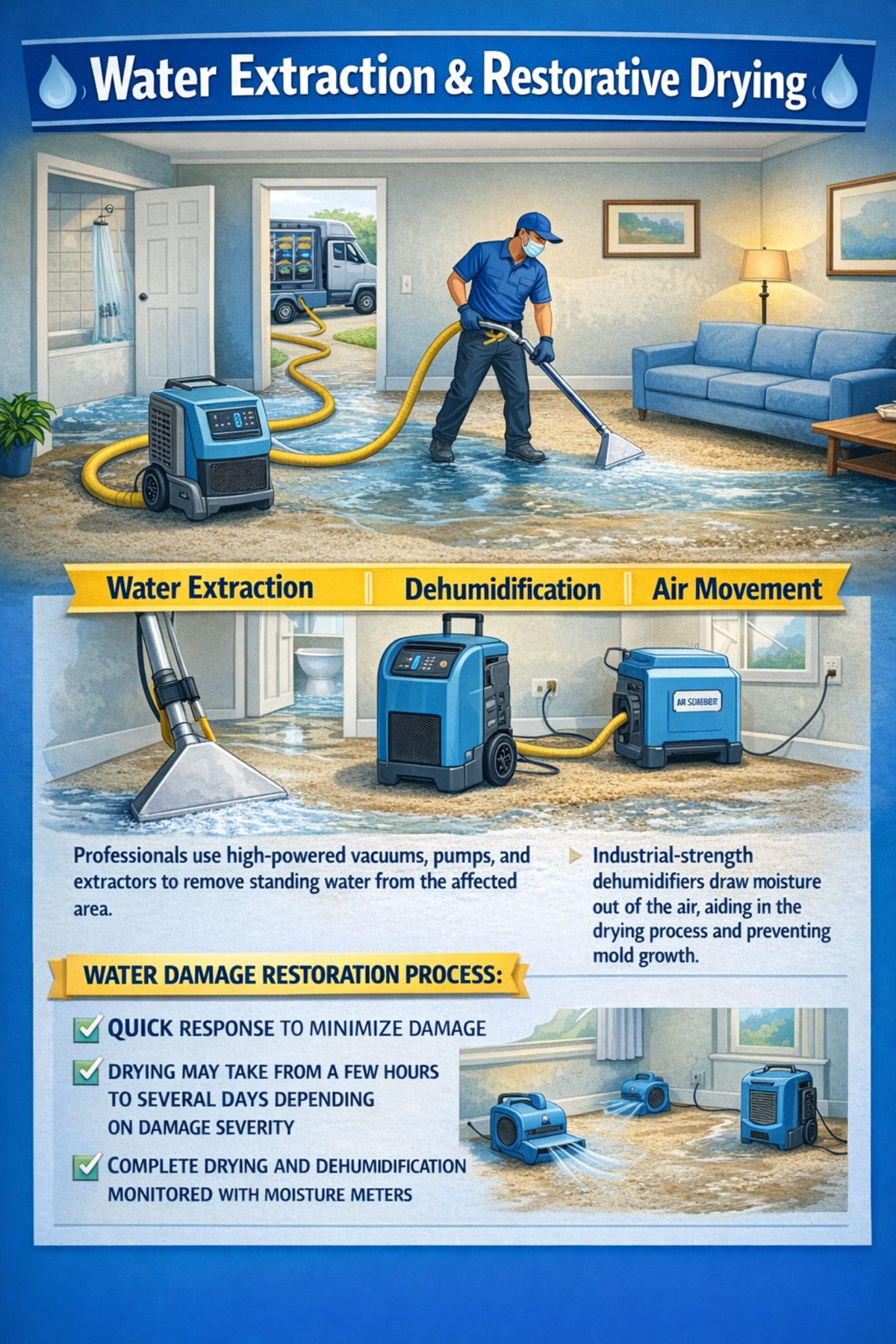
An efficient extraction process is the easiest way to remove water from the affected areas. It helps contain the migration of water and can drastically reduce drying times. If done properly, extraction can remove up to 90% of the water before drying begins. This reduces demolition, prevents mold growth, and reduces the overall restoration cost. We use a variety of tools such as:
Truck Mounted Extractors: removes large volumes of water quickly and is ideal for carpets and large areas
Portable Extractors: used for smaller areas where water is contained
Water Claw Extractors: used to remove trapped water from under carpet and padding
Submersible Pumps: used when several inches of standing water needs to be removed
Hard Surface Tools: used to remove water from tile, hardwood, laminate and concrete
Structural Drying and Dehumidification
After water extraction, a balanced drying system is used to efficiently remove water that is trapped within the building materials of your home. To achieve this, we use specialized equipment and methods to control Humidity, Airflow, and Temperature.
Air Movers: promote the evaporation of water trapped within the building materials
Dehumidifiers: remove the excess moisture in the air as evaporation occurs
Moisture Meters: used to detect moisture levels in materials and monitor the drying process
Thermo-Hygrometers: measure Humidity & Temperature, which allow us to create and maintain optimal drying conditions
Air Filtration Devices: remove airborne contaminants and odors throughout the drying process
Cleanup and Final Documentation
Once the affected areas are dried, we document the necessary information that will need to be needed for your insurance claim and for the reconstruction process. The affected areas are thoroughly cleaned and disinfected, drying equipment is removed, and we explain the reconstruction process to the homeowner.
Lastly, we send all of the documentation to the insurance on behalf of the homeowner to get your insurance claim approved.
Why hire us?
Quick and Efficient: extracting water and starting the drying process quickly is the best way to limit damages done to your home and minimize the repair costs. Our on-call team ensures you can get urgent service 24/7
IICRC Certified Technicians: IICRC sets the Primary Standard and Procedures for water damage restoration, which are considered the “Gold Standard” for restoration. IICRC technicians go through rigorous training and must pass exams to show they’re qualified to restore your home properly. These technicians are trained in fast, effective restoration and will facilitate insurance claims by providing proper documentation.
Work Directly with Insurance: we provide accurate documentation that is used for insurance negotiations and our expertise to advocate on your behalf. This ensures all of the damages are covered and your home is restored properly.
Local & Family-Owned: We provide the same equipment and drying standards as large national franchises, but with faster response times, direct communication, and a level of care you won’t get from a corporate call center. The business owner (Adolfo) will be directly involved with your restoration to ensure everything is completed to the highest standards.
Rapid Response Times: we have an on call team that will immediately pick up the call when you need help the most. We will have a team dispatched and fully loaded with the necessary equipment within 1-hour.
Service Areas
We’re proud to offer emergency water damage restoration in King County, and Snohomish County. We’re a local restoration business based out of Bothell, WA and allows us to get to most areas in King County and Snohomish county quickly.
Bothell, WA
Woodinville, WA
Cottage Lake, WA
Kenmore, WA
Kirkland, WA
Bellevue, WA
Redmond, WA
Issaquah, WA
Sammamish, WA
Edmonds, WA
Mill Creek, WA
Lynnwood, WA
Snohomish, WA
Maltby, WA
Monroe, WA
Everett, WA
Lake Stevens, WA
Marysville, WA
Snohomish County
King County